
Are Your “Normal” Labs Telling the Whole Story?

Normal doesn’t always mean optimal. Here’s what your lab work may be missing.
Have you ever walked out of your doctor’s office after being told,
“Everything looks normal. We’ll see you back in a year.”
…and still felt completely off?
You’re exhausted.
You’re gaining weight and you can’t figure out why.
Your brain feels like it’s in a fog.
You’re not sleeping. Something just feels off.
And yet—you’re told you’re fine.
You are not crazy. You are not making it up. And you are not fine just because your labs say so.
Here’s what I tell every single one of my patients:
Normal does not mean optimal.
Conventional lab ranges are built to detect disease—not to catch the early signs that your body is quietly struggling.
By the time your numbers fall outside that range, dysfunction has often been building for months, sometimes years.
That’s the difference with functional medicine. We don’t wait for things to break.
We look for patterns. We look for dysfunction. We look for the early warning signs your body is already sending—before there’s a diagnosis.
The 5 Labs I Use Every Day—That Most Doctors Never Order

These are the markers I look at every single day in my practice. They are not routinely ordered. Most patients have never had them checked. And yet they tell me everything.
1. Fasting Insulin
This is one of my absolute favorites and almost no one is checking it. Your doctor might run glucose or A1C—but those are late-stage markers. Fasting insulin shows us what’s happening behind the scenes. You can have completely normal glucose and still be insulin resistant. I see it every day. Optimal range: 2–6. If you’re at a 12 or 15 and told everything is okay—it’s not. Anything elevated means your body is already moving toward insulin resistance, driving fat storage, inflammation, hormonal imbalance, and even increased cancer risk.
2. High-Sensitivity CRP (hs-CRP)
This is your inflammation marker. Inflammation is the root of almost every chronic disease we see—joint pain, fatigue, hormone imbalance, cancer. Conventional ranges say under 3 is fine. I want to see it under 1. If it’s elevated, something is driving that inflammation—and we need to find it.
3. Vitamin D
I’m not talking about whether you’re deficient. I’m talking about optimal levels for immune function, hormone balance, and cancer prevention. Most labs say 30 is fine. It is not fine. Optimal is 60–80. For my menopausal and perimenopausal women, I want to see 70 and above—it’s one of the most powerful breast cancer prevention markers we have. Low vitamin D is one of the easiest things to fix and one of the most overlooked.
4. Homocysteine
Almost no one checks this one. Homocysteine is tied to methylation—which impacts detoxification, brain health, and cardiovascular risk. Optimal range: 6–8. If it’s elevated, it can signal B vitamin deficiencies, increased stroke and heart disease risk, and poor detox pathways. Especially important if you’re dealing with fatigue, brain fog, or cardiovascular concerns.
5. Full Iron Panel with Ferritin
Most people are told their iron is fine based on one marker. That is not the full picture. You need ferritin, serum iron, iron saturation, and TIBC. Here’s the truth—you can have low iron symptoms and high ferritin, especially in inflammation. Or you can have iron overload that’s rarely caught early. This panel tells us about oxygen delivery, energy levels, inflammation status, and even infection patterns. This one gets missed all the time.
🌿You Are Your Best Advocate
If you’re experiencing any of these symptoms, do not ignore them:
Persistent fatigue
Brain fog
Stubborn weight gain or inability to lose weight
Poor sleep
Hormone imbalance
Getting sick often
Feeling off despite “normal” lab results
Your body whispers before it screams. There is always a reason you feel the way you do. You just have to look deeper.
Start asking better questions. Get your actual numbers—not just a thumbs up or thumbs down. Ask what optimal looks like, not just what’s normal. And if your doctor won’t go deeper, find someone who will.
You can't optimize what you never measure.
Want to dive deeper? These two videos explain why "normal" lab work doesn't always tell the whole story—and what questions you should be asking instead.
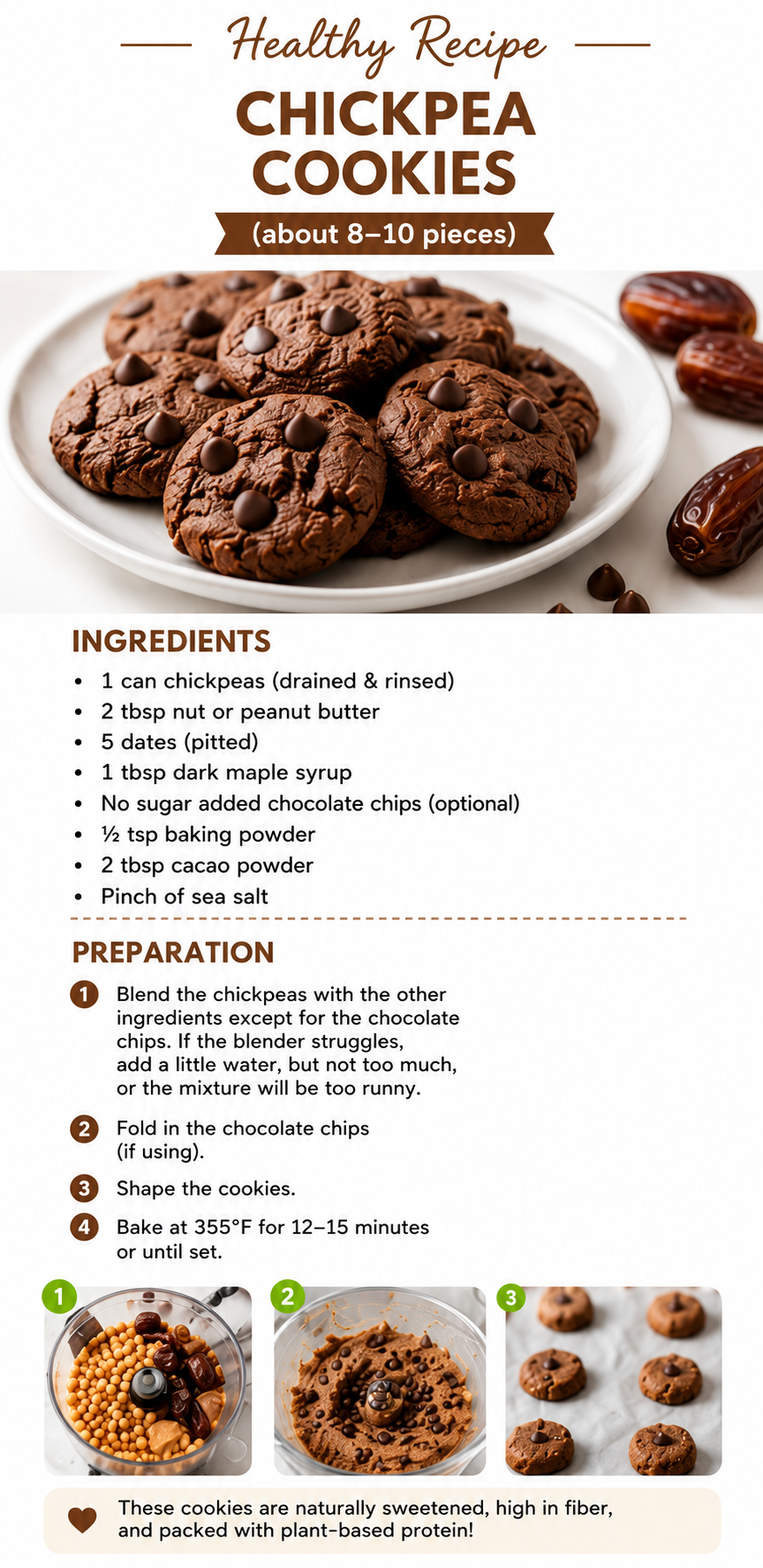
Recipe of the Month- Chickpea Cookies